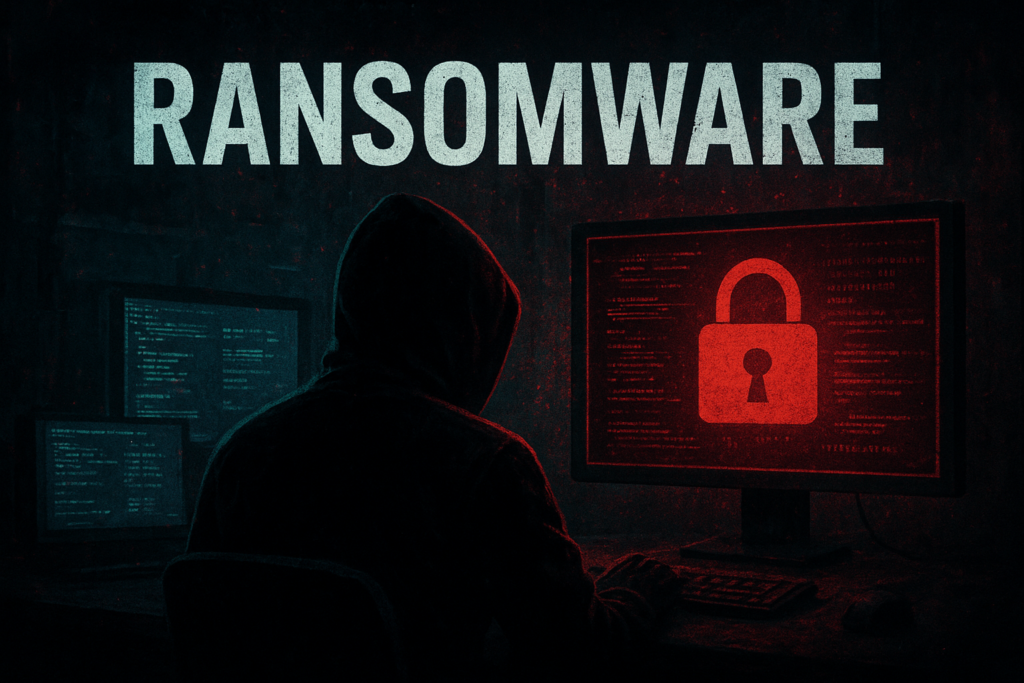
Ransomware attacks are becoming increasingly frequent, sophisticated, and costly. If you are responsible for IT or security in your organization, protecting against ransomware is no longer optional; it’s essential. Take, for example, the ransomware incident that struck the city of Baltimore in May 2019. The attack disrupted hospitals, vaccine production, airports, and ATMs, with damages estimated at nearly $18 million.
What is Ransomware?
Ransomware is malicious software that encrypts data or locks systems until a ransom—usually in cryptocurrency—is paid. While some attackers provide decryption tools once paid, prevention is far less costly and more reliable.
How It Works:
Infections typically occur when users:
• Click malicious links
• Open fraudulent attachments
• Fall victim to phishing campaigns
Once active, ransomware encrypts files at speed, often thousands per minute. Without secure backups, organizations must choose between paying the ransom or permanently losing data.
Why Attacks Continue to Rise
The answer is profit. Ransomware is often backed by well-funded international crime groups who continually improve their tools. Anonymous cryptocurrency payments make attacks highly lucrative and difficult to trace.
How to Protect Your Business Against Ransomware?
Rule #1: Do Not Pay the Ransom
Paying does not guarantee data recovery and often encourages future attacks. Instead, organizations should act swiftly and strategically by following these steps:
-
Isolate the Threat
Immediately disconnect compromised devices from the network, disable Wi-Fi or storage access, and avoid rebooting to prevent further damage.
-
Check for Decryption Tools
Some ransomware variants already have publicly available decryption keys.
-
Run Anti-Malware Software
Use trusted tools to detect and remove malicious code, helping contain the spread.
-
Restore from Backups
Recover systems using secure offline backups. If necessary, perform a full reinstall and always reset passwords after recovery.
-
Report the Incident
Inform your IT or cybersecurity team, notify relevant business partners, and comply with any reporting obligations to the relevant authorities.
The Importance of Rapid Response
Establishing an Incident Response Team (IRT) is essential. Each member should have clear responsibilities for containment, recovery, and communication. Well-defined disaster recovery (DR) procedures or support from managed security providers enable faster restoration and ensure business continuity.
Advanced Protection Measures
Modern solutions such as Ransomware Containment software provide real-time detection and automatic isolation of infected devices. By stopping ransomware before it spreads, these tools minimize damage while maintaining system performance.
The Risks of Ransomware
Even with strong defenses, the possibility of a ransomware attack remains. So how does such an incident typically occur? Ransomware can enter your systems through phishing links, malicious email attachments, or software vulnerabilities. Once active, it encrypts files, freezes applications, and locks devices—followed by a ransom demand, often with a countdown. The consequences extend beyond data loss, including operational downtime, legal penalties, compliance issues, and reputational damage.
Why You Need to Be Proactive Against Ransomware
Ransomware attacks have increased by 715% in the past year, with 4% of company data often deemed unrecoverable (Gartner). As organizations embrace cloud platforms, remote work, and digital transformation, the traditional security model is no longer sufficient.
Why Perimeter Defense Falls Short
Conventional defenses—firewalls, email filters, and antivirus tools—were effective when operations were centralized. Today, however, businesses operate across multiple endpoints and cloud environments, often beyond the reach of perimeter controls. This exposes organizations to sophisticated attacks that can encrypt thousands of files per minute, leading to downtime, reputational harm, and financial loss.
The Solution: Containment
Containment provides a proactive safeguard by complementing existing perimeter defenses. It works by:
- Detecting ransomware that bypasses traditional tools.
- Isolating infected devices in real time.
- Preventing lateral spread across the network.
- Identifying affected files for faster recovery.
How Containment Works
Modern containment solutions act instantly when a breach occurs. Automated protocols shut down compromised devices, disable user accounts, and secure the network while IT teams restore systems. With military-grade technologies already trusted by governments, containment offers the highest assurance against ransomware threats, and solutions like RansomCare provide an additional safeguard by detecting and containing attacks before they spread.
Conclusion: Safeguarding Your Business from Ransomware
Ransomware is no longer a distant threat—it’s a pressing reality that businesses of all sizes must confront. With attacks growing more sophisticated, faster, and more costly, relying solely on traditional defenses is no longer enough. A proactive approach that combines prevention, rapid response, and modern containment strategies is essential for protecting your data, operations, and reputation.
By prioritizing strong backup policies, employee awareness, and advanced containment technologies, organizations can significantly reduce the risk of downtime, financial loss, and long-term damage. Remember, when it comes to ransomware, preparation and swift action are your strongest defenses. The businesses that thrive in today’s digital landscape will be those that treat ransomware protection not as an option, but as a core part of their cybersecurity strategy.